U.S. Chess Championship: Watch Positions Better
Follow the U.S. Chess Championship with a practical routine for reading positions, spotting threats, and checking replies.
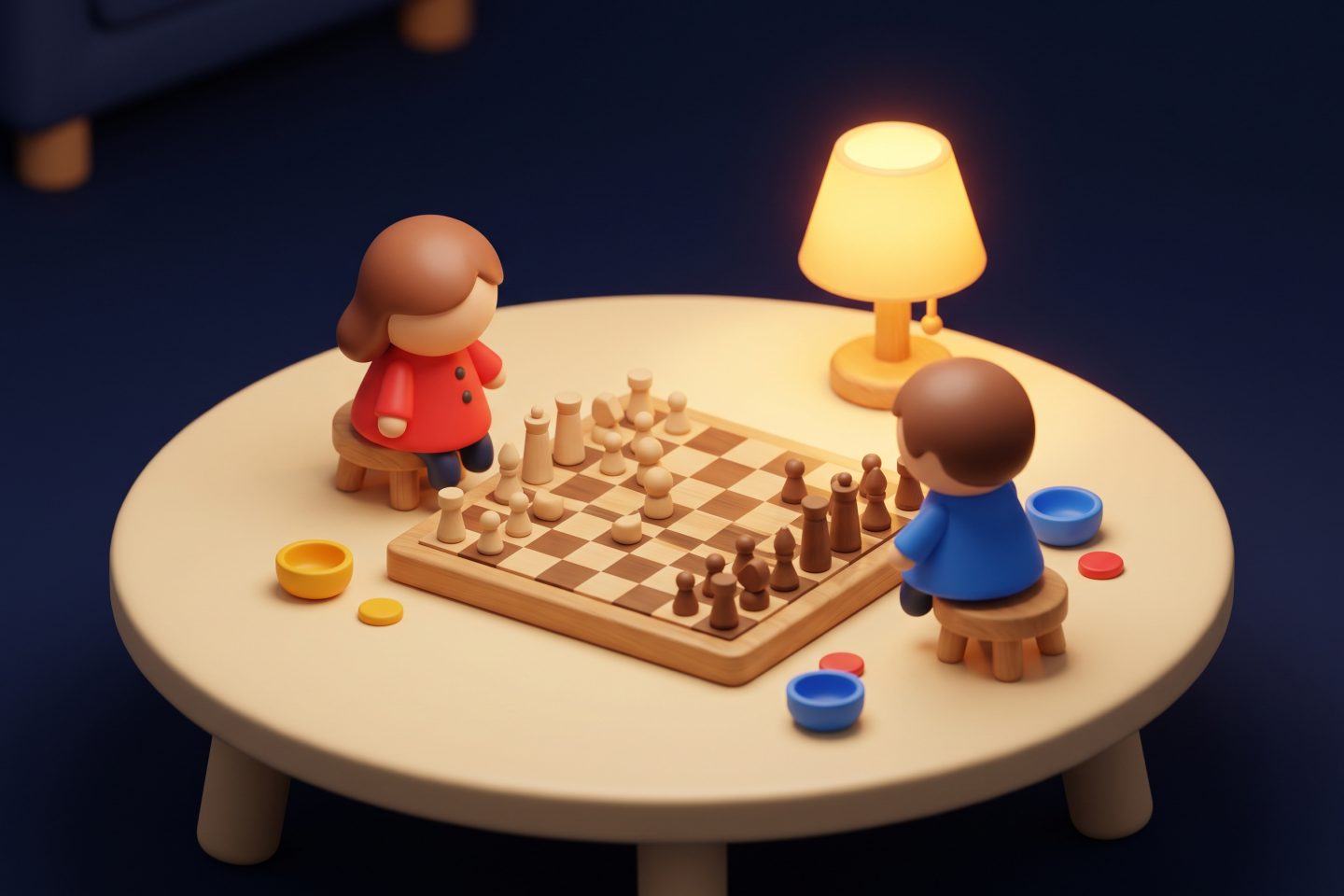
The U.S. Chess Championship is a useful reason to slow down and watch a position with purpose. The 2026 event runs from October 7 to October 23 in St. Louis, and each round gives viewers a fresh chance to practise one skill: asking what changed after the last move.
You do not need to predict a grandmaster move to learn from a game. Pick one board, pause before the commentary explains it, and use a short routine. The routine below works for a live broadcast, a replay, or a friendly game with friends.
What the U.S. Chess Championship can teach you this week
The Saint Louis Chess Club schedule lists rounds from October 9 through October 22, with a rest day on October 13. That rhythm makes the event easy to follow in small sessions. Watch one critical moment, then set up a similar position on a board.
Official chess rules give the first useful filter. FIDE defines chess as a game where White moves first, the players alternate moves, and the goal is to checkmate the opposing king. It also says a player may not leave their own king in check. Before looking for a clever move, check that every candidate move is legal and keeps the king safe.
Use a five-question pause on every chess position
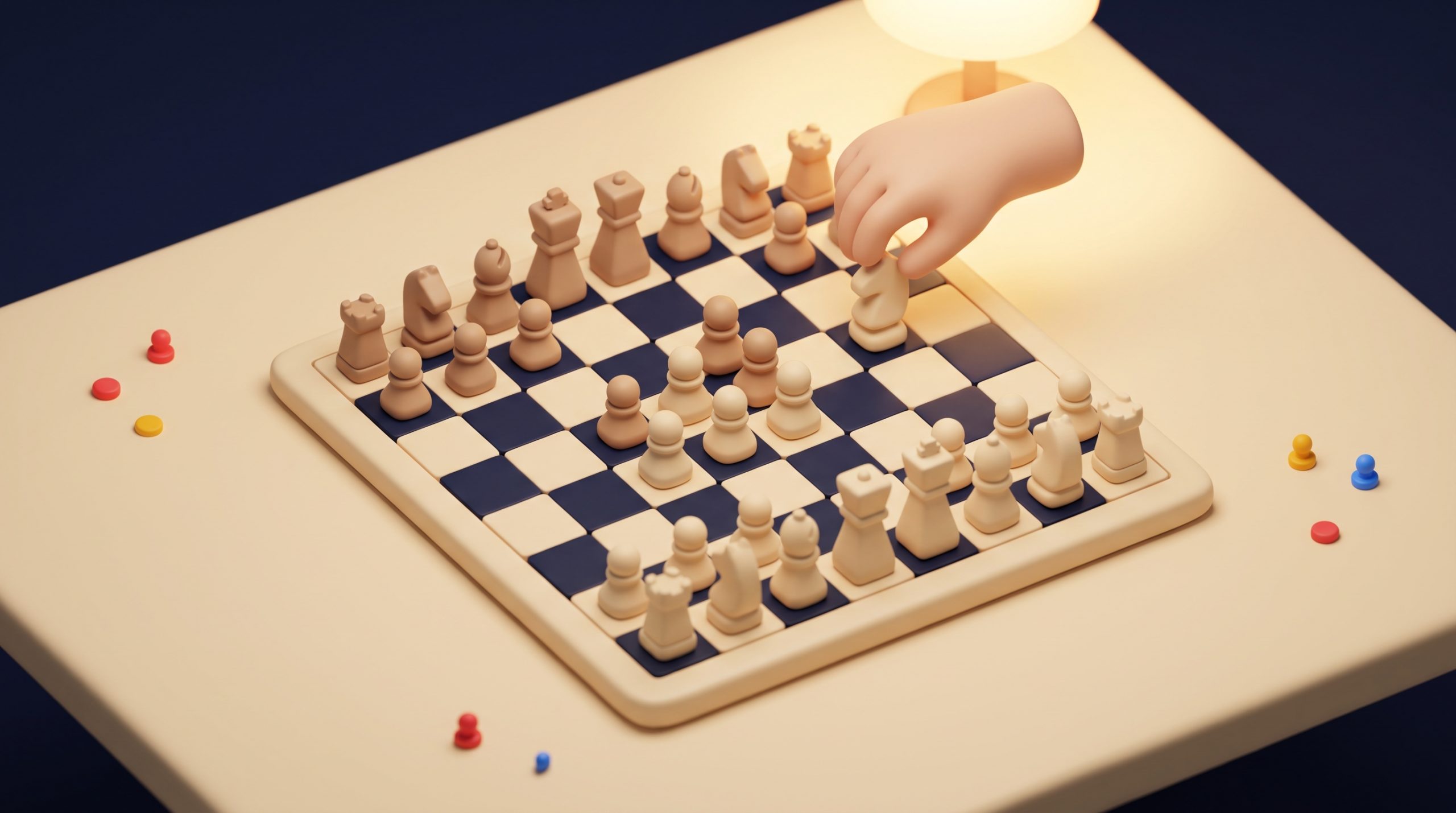
Strong viewers do not stare at every piece equally. They narrow the board. Start with the king, then look at threats, loose pieces, and forcing moves. A forcing move is one that asks the other player to respond, such as a check, a capture, or a direct attack on a valuable piece.
| Question | What to look for | Why it matters |
|---|---|---|
| Whose king is less safe? | Open lines, nearby pieces, missing defenders | It tells you where an attack might work. |
| What changed? | The last moved piece and the square it left | A move can uncover a line or stop guarding a piece. |
| Is anything hanging? | Pieces attacked more times than they are defended | Simple captures decide many games. |
| Are there checks? | Legal checks against the king | They reduce the opponent’s choices. |
| What is the reply? | The best defensive answer, not the obvious one | It stops wishful analysis. |
This table is a made-for-the-article viewing tool, not a score sheet from a live game. Use it once per position. If the answer is unclear, name two candidate moves and compare them instead of searching for a perfect answer.
Read the board from the kings outward
Begin with the two kings. Are pawns in front of them intact? Are files or diagonals pointing toward either king? A queen and bishop that face the same diagonal can become important even when no check exists yet. Then count the pieces near each king. An attack usually needs help from more than one piece.
Next, inspect the center. Central pawns can block lines, take space, or become targets. Do not assume a pawn push is good because it gains space. Ask what squares it leaves behind. A pawn that moves may open a diagonal toward its own king or remove a defender from a nearby piece.
Try a made-for-the-article position drill
Imagine this simple position. White has a king safely tucked behind pawns, a queen aimed toward the center, and a knight that can jump to a square near Black’s king. Black has one defender pinned to the king and a loose pawn in the center. Do not jump straight to the knight move.
| Step | White asks | Practical answer |
|---|---|---|
| 1 | Is the knight move a legal check? | Trace the knight’s destination and confirm the white king remains safe. |
| 2 | Can Black capture the knight? | Count defenders and attackers on that square. |
| 3 | What if Black blocks the line? | Look for a second target before committing. |
| 4 | What changes if White takes the loose pawn first? | Compare the new line and the pieces that become active. |
The point is not to memorise a tactic. The point is to build an order for thinking. In live games, players often miss a reply because they stop after finding a move they like. The U.S. Chess Championship is a good place to practise the last question: what would the other side do first?
Learn from a broadcast without copying moves
Pause the stream before the player moves. Give yourself thirty seconds. Write down one plan in plain words, such as trade the attacking queen, defend the loose pawn, or open a file for a rook. Then compare your idea with the move played. If the move surprises you, replay only the next few moves and locate the reason.
This approach turns commentary into feedback. It also keeps a complex game manageable. A single missed defender, a weak back rank, or an active king in an ending is enough for one study session.
Keep the learning friendly at the table
When watching with friends, agree on the pause rule before the round begins. One person names a candidate move, another names the best reply, and a third checks whether the move is legal. Rotate roles after each position. Nobody needs to be the strongest player for the group to learn something useful.
Watch one position, then play one
The official FIDE Laws of Chess are worth keeping nearby when a rule question comes up. For the rest, keep the process simple: check both kings, find the threat, compare two moves, and look for the reply.
After the broadcast, open a Chess table on Masa and try the same habits in a friendly game. One careful pause per game is enough to make the next position clearer.